Story
Assess Blush Visibility on Deep Skin at Conversation Distance
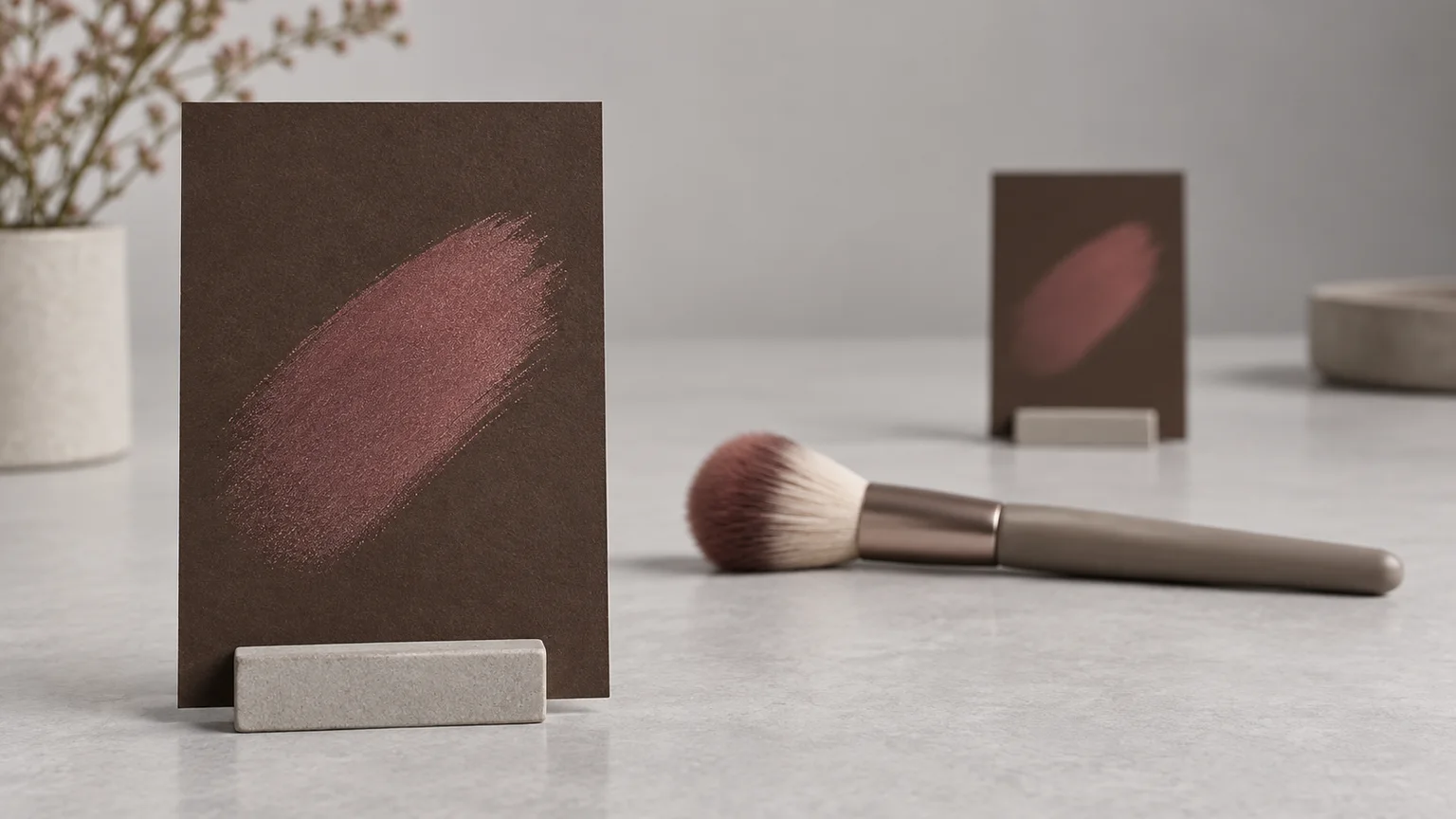
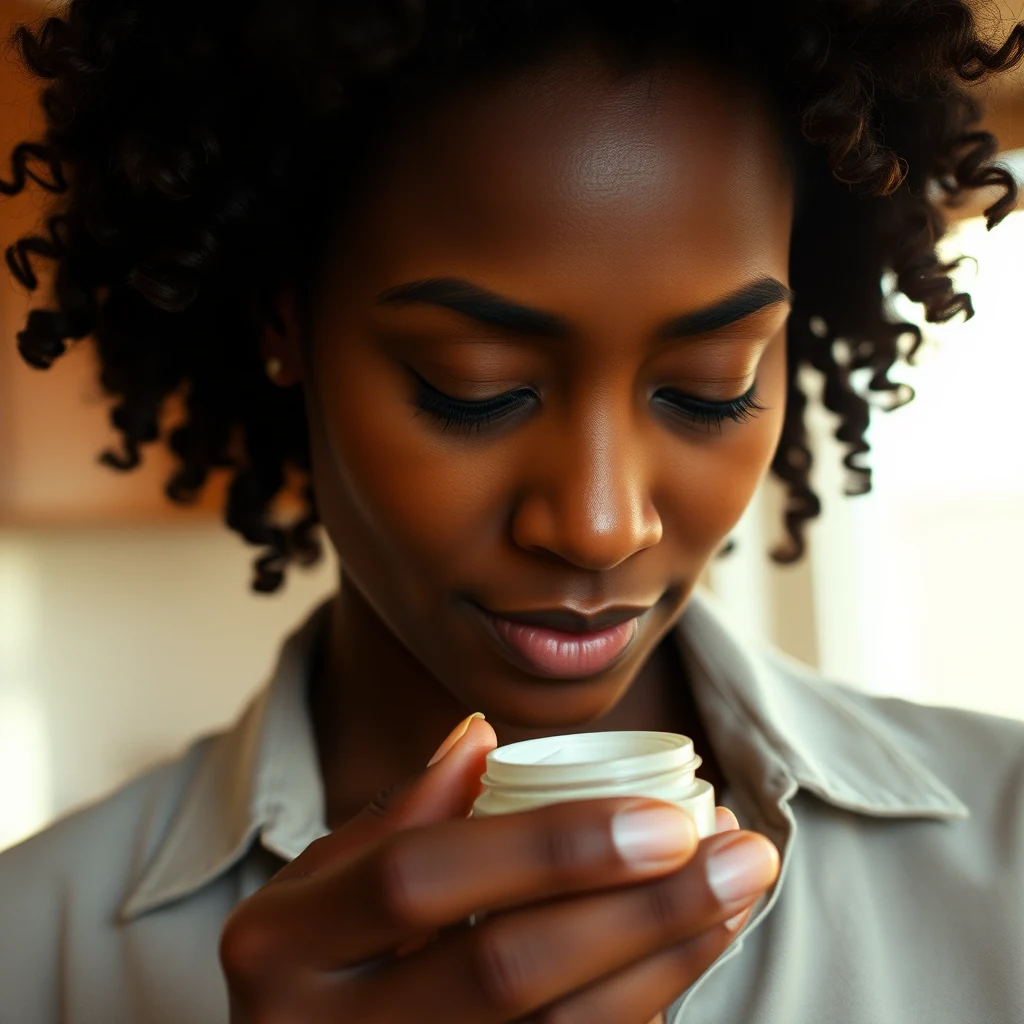
Assess blush on deeper skin at the distance where people normally see your face, not only close to the mirror. A close-up can show texture and edges, while a farther view helps you judge the visible color. Neither requires assuming that deeper skin always needs the strongest pigment available.
Begin with a Visible Question
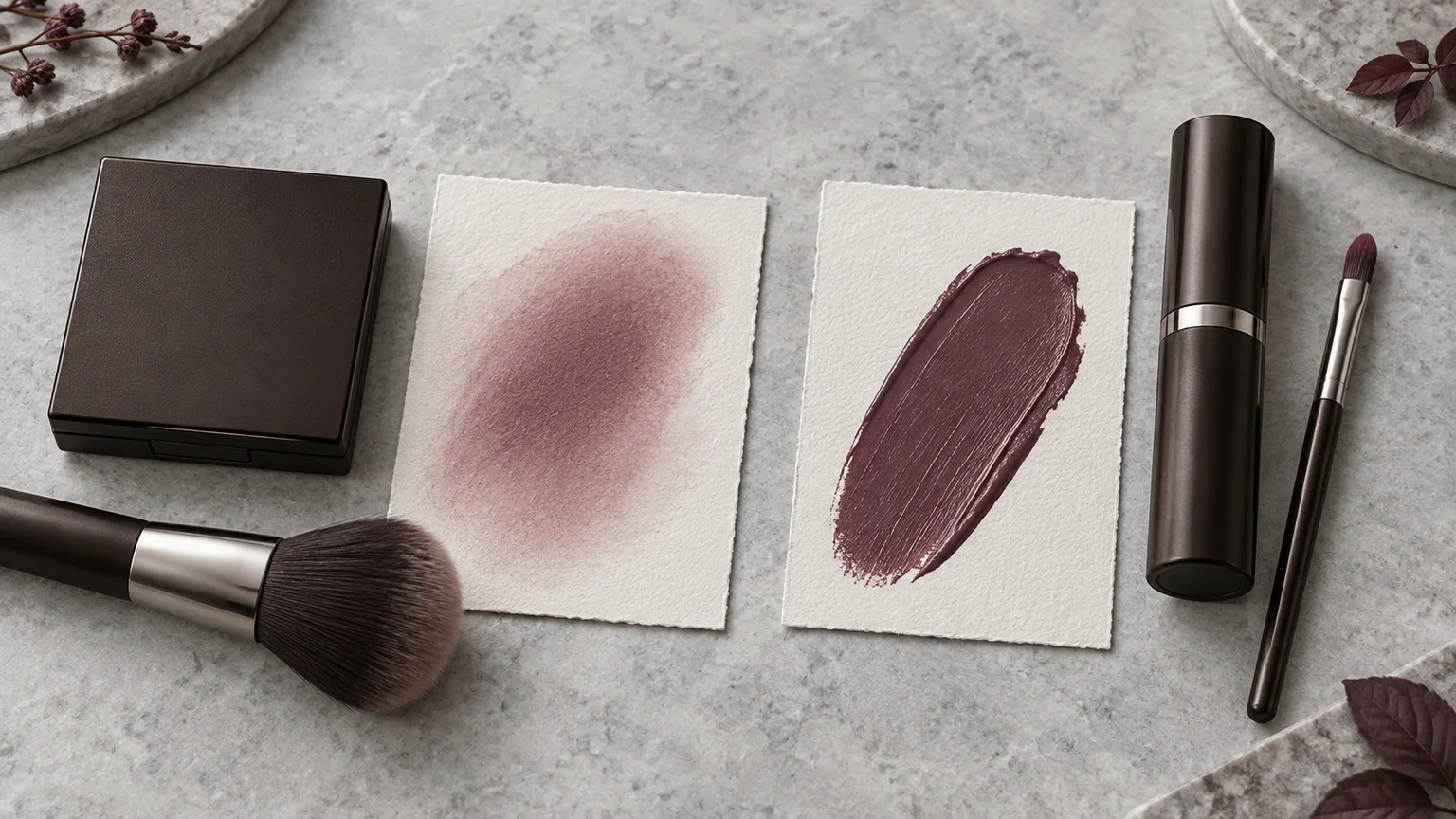
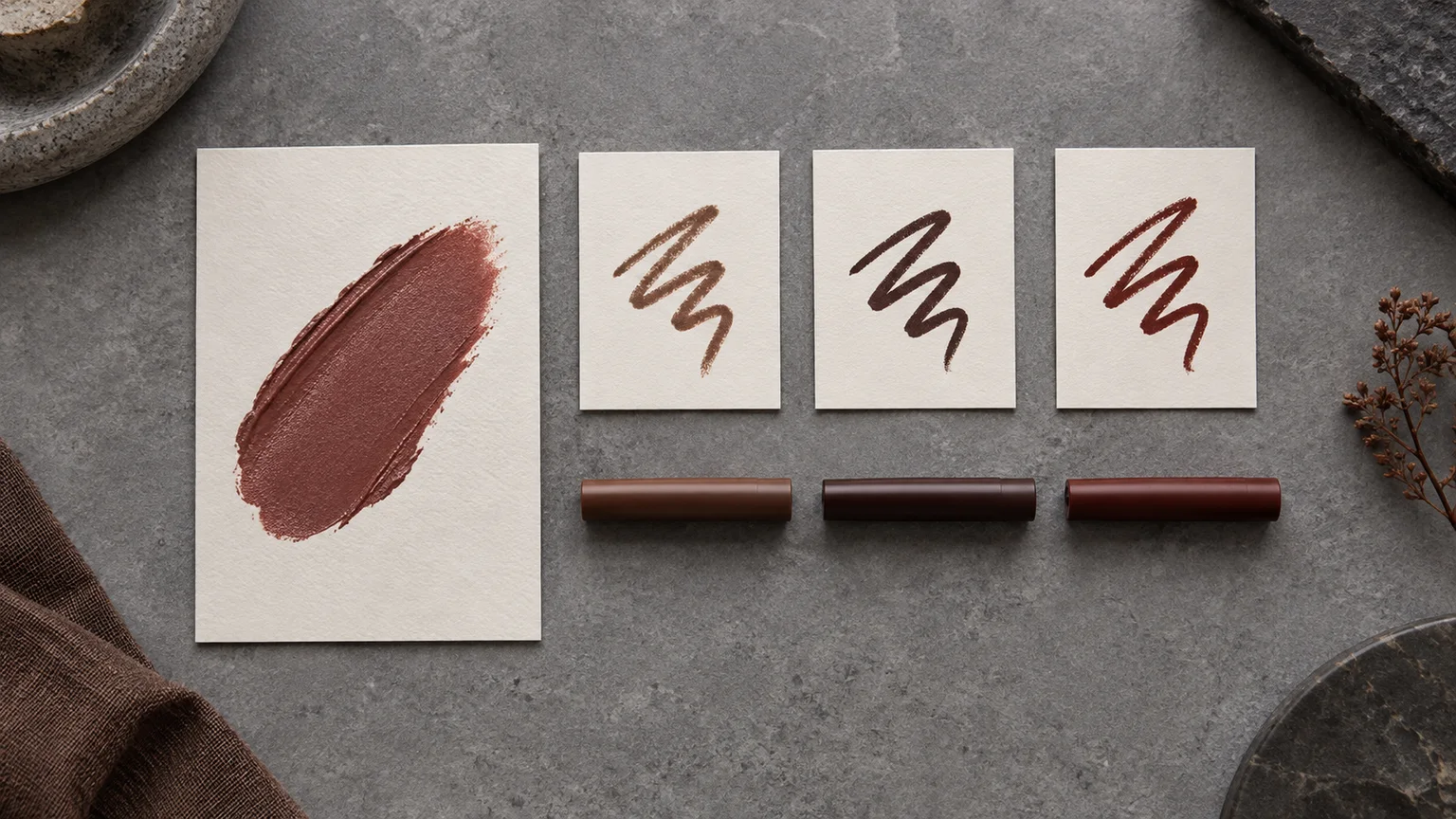
Choose the effect you want: a soft color wash, a clear cheek statement or a reflective finish. These goals are different. A highly reflective blush can be noticeable because of its sheen even when the color is subtle; a matte blush can show a strong hue without shine.
Apply a small amount following the formula's directions. Pause before building, especially when trying a new product or tool. Compare the actual color on the base you are wearing rather than relying only on how concentrated it looks in the pan.
Step Back and Turn
Look at conversational distance, then turn slightly to inspect the edges. Is the hue visible where you want it? Does one area look like a concentrated patch? Is the reflection making the color harder to read from one angle? Move between these views before adding another layer.
Record What Changed
If you prefer more visible color, build only as the product permits and keep track of the application. If an edge is too sharp, address that edge rather than covering a larger area. Note the shade, tool and base combination. The useful result is a repeatable personal preference, not a claim that one pigment level suits every deep complexion.
Questions About This Edit
Does deep skin require a highly pigmented blush?
Not in every case. Formula, shade, coverage, base and your preferred intensity all matter. Compare the actual visible result instead of choosing by pigment claims alone.
Is a close-up enough to assess blush placement?
It helps with detail, but also step back to see the relationship with the whole face. Check both the color and its edges.