Story
Use a Makeup Check-In to Find the One Step Worth Changing

Use a makeup check-in to identify one change worth making next time. A short observation is more useful than deciding that an entire routine failed because one area wore differently from the rest.
Record the visible difference
Note the finish just after application, at a natural break and when the makeup day ends. There is no required interval. Use similar light and an unfiltered reference if you take photos, and write down what you actually see rather than a performance claim.
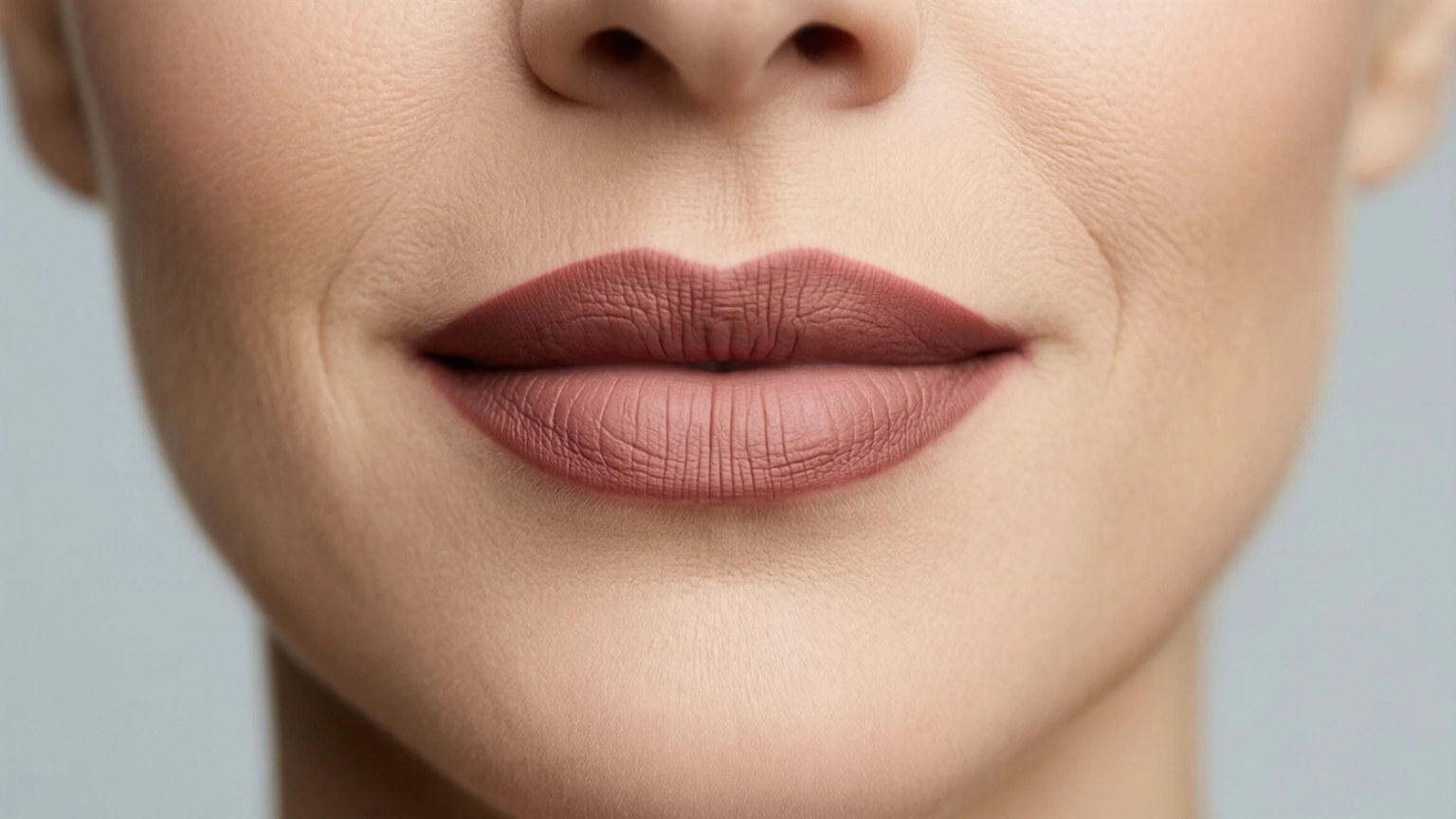
For example, distinguish lip color fading at the center from base collecting beside the nose. Record the products and application method you used so that the observation has context. Do not turn a single day into a universal verdict on a formula.
Change one application decision
If base gathered in one area, next time reassess the amount or blending there while keeping the rest of the routine familiar. If the lip wore in a way you dislike, compare a different intended lip finish or plan a targeted touch-up. Follow all product directions, including sunscreen reapplication, independently of this cosmetic note.
When a change gives you a finish you prefer, record that too. There is no need to keep changing a working routine for the sake of experimentation. The check-in is a personal decision aid, not an invented wear study, a fixed ten-minute test or a promise that makeup should look unchanged all day.
Questions about this edit
How often should a cosmetic check-in happen?
Use convenient moments in your actual day. No fixed observation interval establishes product performance.
Why change only one application decision?
It makes the next comparison easier to interpret. Changing several products and techniques at once obscures what affected the finish.
Browse beauty guides | Explore the makeup studio
Label and intended-use reference: FDA sunscreen label guidance.