Skin, makeup, and nails in one connected beauty system

Free express shipping on orders over $50

Take our personalized skin quiz

Nadia Reed — portrait

Mature-skin makeup and glow control

Nadia Reed

Toronto-based beauty editor focused on makeup that respects texture, expression, and daylight.

12 stories

Story

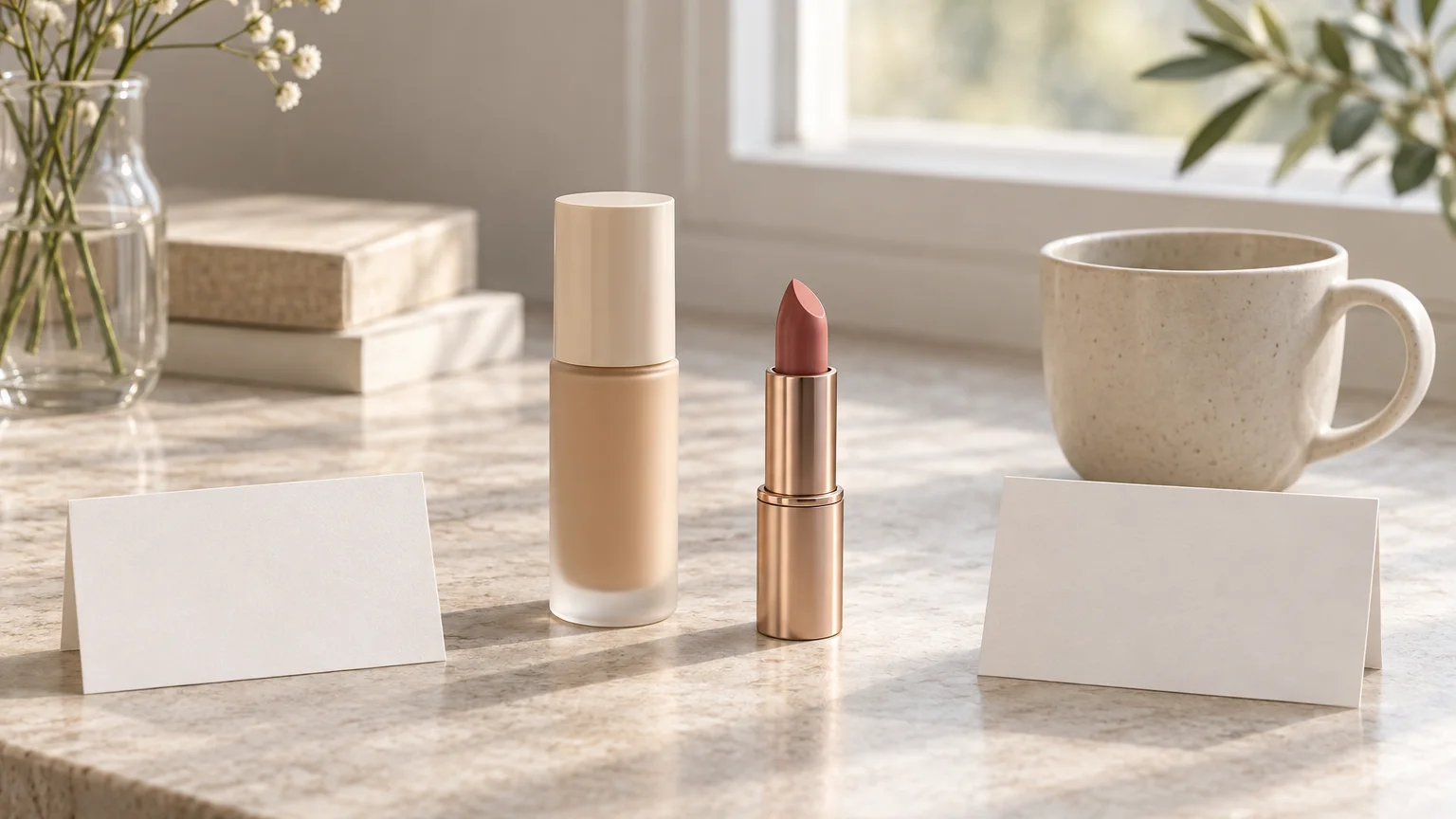
Review Lip and Base Wear After a Coffee Break
Review Lip and Base Wear After a Coffee Break

A coffee-break makeup review can be useful when it is described as one consumer observation, not as a formal wear test. Before the break, record the actual lip and base products, application amounts, tools and lighting. Use an unfiltered photograph only if it helps preserve context. Do not assign a performance score or claim a fixed number of hours from a single routine.

Compare the Same Features

After the break, return to similar light and review the same points. For lips, inspect the outer border, inner edge and center coverage. For base, look at the jaw edge, sides of the nose and any moving area where product can gather. Note what is visible: softened color, transferred product, an intact edge or a small deposit. Avoid labels such as flawless, age-defying or failed when the observation can be stated directly.

Choose one response. Leave the makeup alone when the finish remains intentional. Remove uneven excess when product has gathered. Add a small amount only where the intended color or coverage is missing. Changing several products and tools at once makes the next comparison harder to interpret. Follow each cosmetic label and keep lip and eye formulas in their intended areas.

Keep the Record Honest

Store the note with product names and context, not with a universal recommendation. A different drink, meal, base layer or application can produce another observation. The value of the coffee-break check is a better touch-up decision for the current makeup, not proof of durability or a disguised customer testimonial.

Questions About This Edit

Is one coffee-break check a wear test?

No. It is a context-specific consumer observation. It does not establish a universal duration or performance claim.

What should be kept consistent in the comparison?

Use similar light and inspect the same lip and base areas. Record products, amount, tools and relevant food or drink context.

Label and intended-use reference: FDA guidance for using cosmetics safely.

Explore the makeup studio | Shop makeup | Read the beauty guides
Story

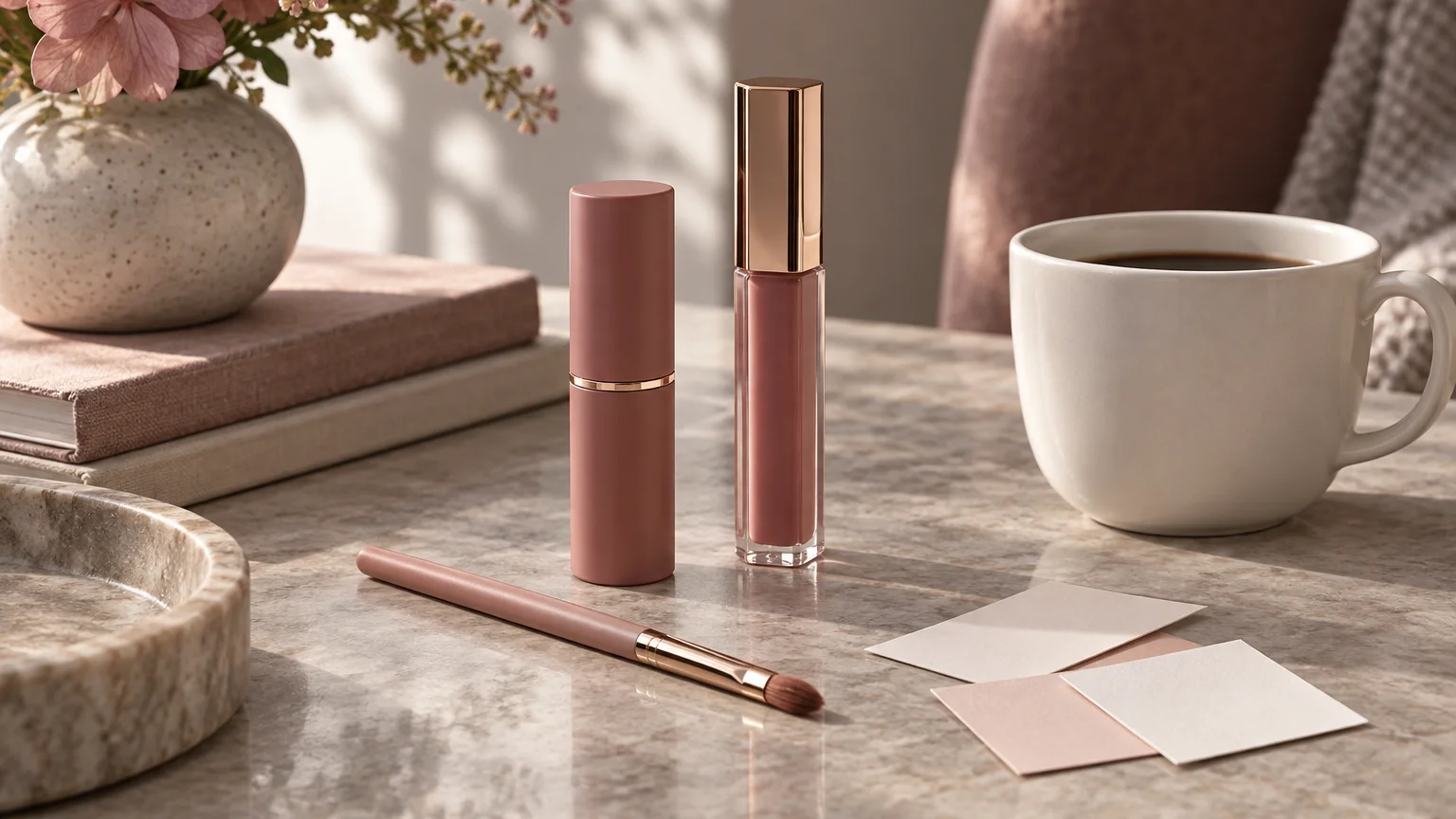
Choose a Lip Finish That Still Looks Good After Conversation

Choose a Lip Finish That Still Looks Good After Conversation

A lip finish should be chosen with conversation in mind, but one application cannot support a transfer-proof promise. Apply the lip product according to its directions with clean hands and a clean tool. Check the border and coverage while the mouth is relaxed, then speak and press the lips together naturally. Movement is part of the use context, not a defect the formula must conceal.

Define the Inspection Points

Choose three places to review: the outer border, the inner edge and the center of the lower lip. After ordinary conversation, look for visible transfer, uneven wear or product gathered beyond the intended border. Record only what happened with that product, amount and setting. Food, drink, application method and lip movement all change context, so avoid turning the observation into a universal wear time.

When the center has softened evenly, a touch-up may be unnecessary. When one edge is visibly uneven, remove removable excess with a clean tool and add a small amount only where color is missing. Rebuilding the entire lip can make the result heavier than intended. Keep the product in its labeled application area and do not share it.

Choose the Finish You Can Maintain

The useful decision is whether the satin, tint or other finish still looks intentional with the amount of maintenance acceptable for the occasion. A comfortable preference can outweigh a claim of permanence. Document the touch-up method and leave the conclusion product-specific, with no promise that the lip will survive every meal or conversation unchanged.

Questions About This Edit

Does good post-conversation wear mean no transfer at all?

No. Judge whether the remaining border and coverage still look intentional and whether any touch-up is acceptable for the setting.

Should the whole lip be reapplied when one area wears?

Not automatically. Remove uneven excess and add a small amount only where the intended color is missing.

Label and intended-use reference: FDA guidance for using cosmetics safely.

Explore the makeup studio | Shop makeup | Read the beauty guides
Story

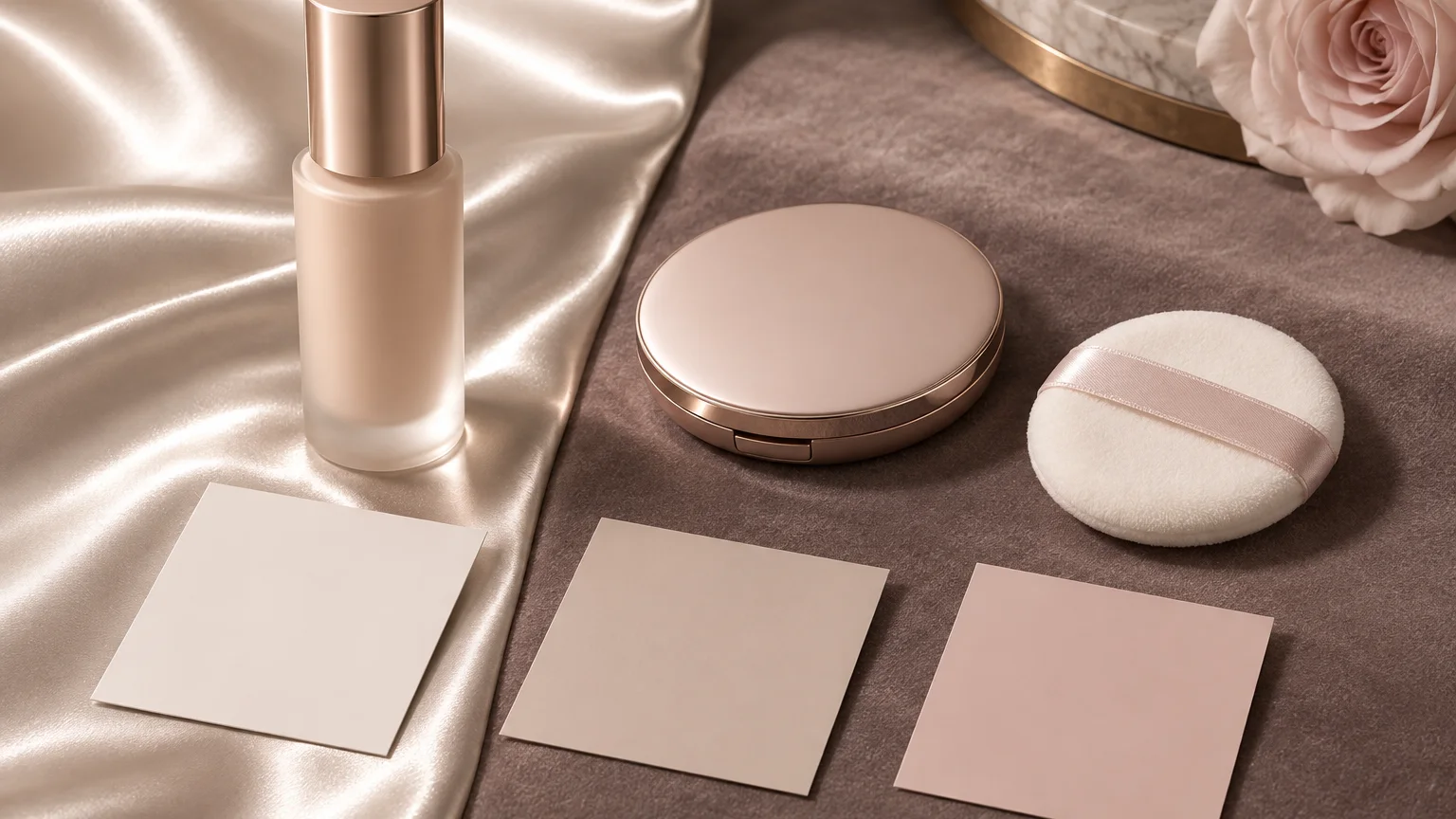
Map Satin and Matte Areas Before Reaching for Powder

Map Satin and Matte Areas Before Reaching for Powder

Powder placement becomes more deliberate when satin and matte areas are mapped before the tool touches the face. Complete the base and any cheek color, then observe the finish in the light where the makeup will be seen. Turn the head slowly and distinguish three conditions: sheen intentionally retained, shine intentionally softened and areas that need no decision yet.

Start With the Retain Zone

Name the satin areas first. They may include the upper cheek, the outer face or any zone where the finished base already gives the preferred dimension. Protecting these areas prevents a default powder sweep from flattening the entire application. Next, choose one small soften zone based on visible shine, not a diagram that claims to lift or reshape a face.

Load a clean suitable tool lightly, remove uncontrolled excess and press product only where selected. Check the transition between finishes at conversation distance. If the powder creates a hard boundary, refine the edge with the clean side of the tool rather than adding more across adjacent satin areas. A close-up mirror can be used to locate product, but it should not become a demand for invisible pores or texture.

Stop With a Readable Map

Write the retain and soften zones for this application. The map can change with another formula, amount or lighting condition. It is not a universal T-zone rule and does not demonstrate oil control over time. The successful result is a finish distribution that can be repeated because every powdered area has a visible reason.

Questions About This Edit

Should the whole T-zone always be matte?

No. Observe the current finish and select only the areas where shine conflicts with the intended look.

Can powder placement lift the face?

Powder changes visible finish. This edit does not claim to alter facial structure or create a universal lifting effect.

Label and intended-use reference: FDA guidance for using cosmetics safely.

Explore the makeup studio | Shop makeup | Read the beauty guides
Story

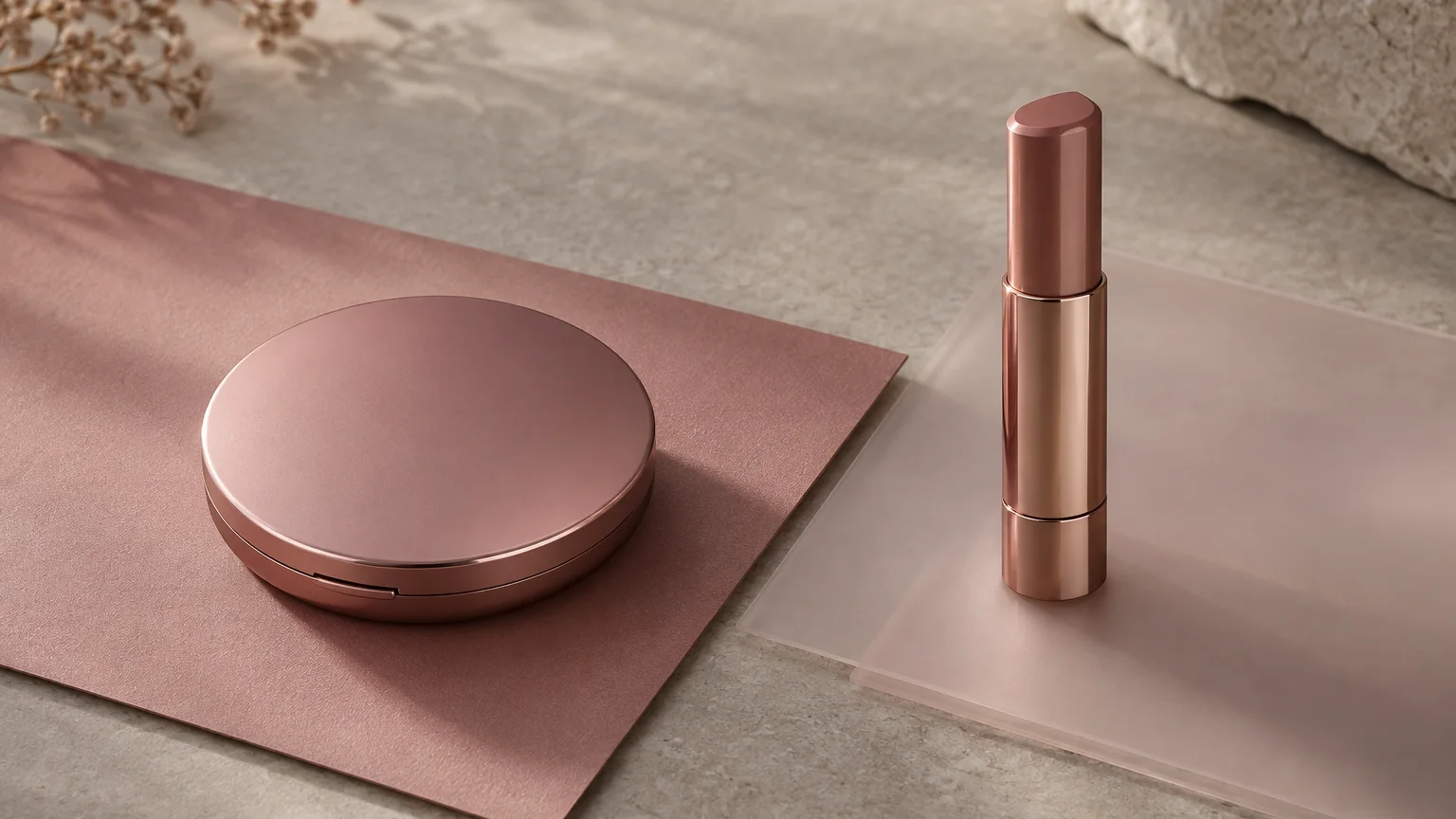
One color, used twice, can make makeup feel intentional

One color, used twice, can make makeup feel intentional

One color, used twice, can make makeup feel intentional

At this age I do not chase a smoother face. I want makeup that moves with expression and still looks generous in daylight. For this one, the useful phrase is monochrome makeup, but the real test is simpler: does the color still belong to the face once the window light gets involved?

What I Check First

I start by taking down one variable. When skin is good, powder gets one small job near the T-zone and nothing else. If the lip line is doing the work, I soften the cheek. When everything competes, the face starts looking edited in the wrong direction.

My working assumption: place pigment where the face already has shape, then stop before the product becomes the point.

What I Would Keep

Daylight first. Powder less. Let one feature lead.

  • monochrome makeup
  • Wear, honestly noted
  • A finish that still looks human

Look

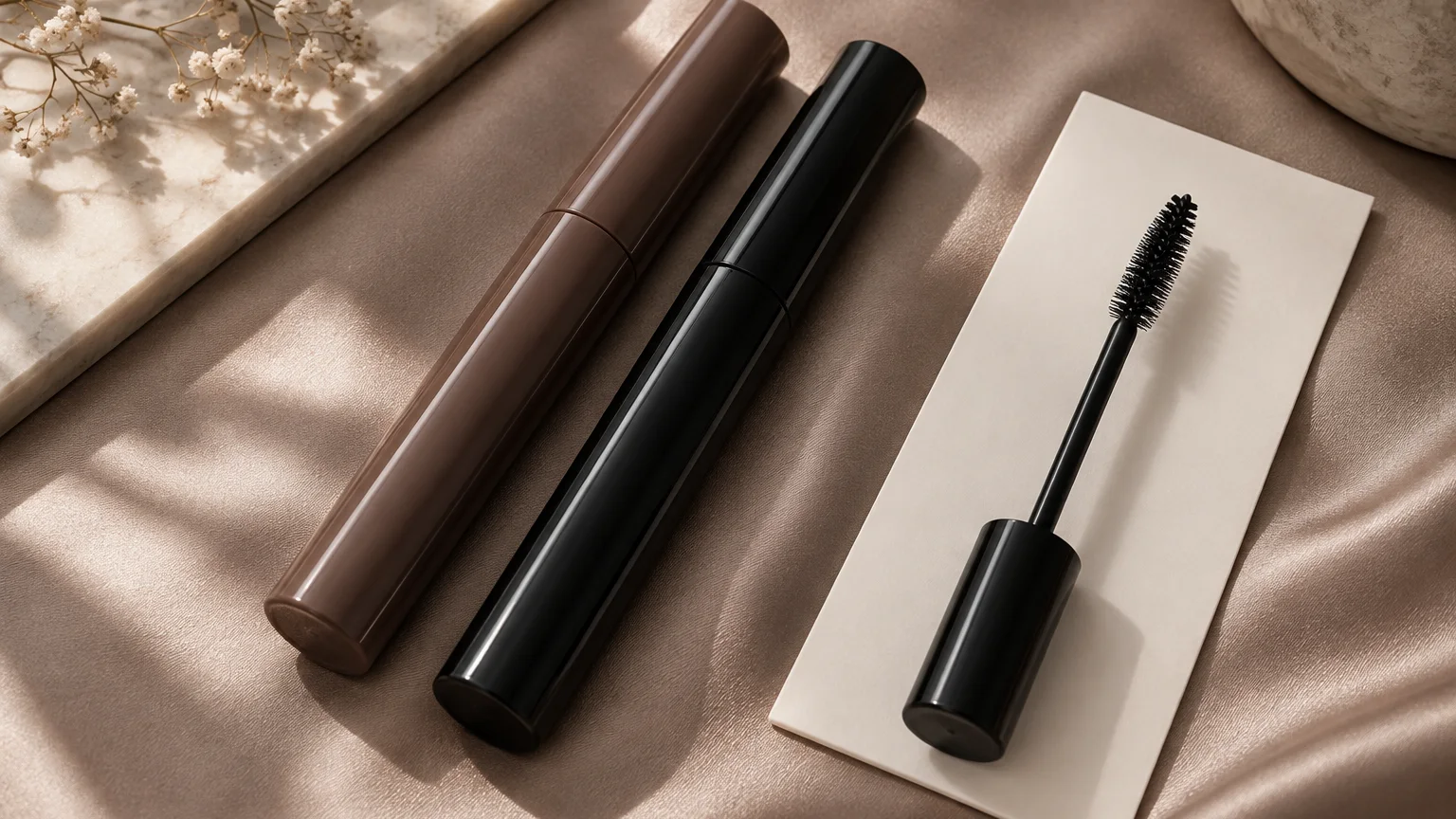
Brown mascara makes some faces look more awake

Brown mascara makes some faces look more awake

Brown mascara makes some faces look more awake

At this age I do not chase a smoother face. I want makeup that moves with expression and still looks generous in daylight. For this one, the useful phrase is brown mascara, but the real test is simpler: does the color still belong to the face once the window light gets involved?

What I Check First

I start by taking down one variable. If the base is fresh, I keep powder away from moving skin. The cheek supports the lip the way a good bassline supports a vocal. If every feature is the main character, none of them is.

What finally worked: place pigment where the face already has shape, then stop before the product becomes the point.

What I Actually Rebuy

Daylight first. Powder less. Let one feature lead.

  • brown mascara
  • How it survived the day
  • A finish with movement

Routine

My powder map is smaller than it used to be

My powder map is smaller than it used to be

My powder map is smaller than it used to be

At this age I do not chase a smoother face. I want makeup that moves with expression and still looks generous in daylight. For this one, the useful phrase is powder placement, but the real test is simpler: does the color still belong to the face once the window light gets involved?

What I Check First

I start by taking down one variable. If the base is fresh, I keep powder away from moving skin. Strong lip, quiet cheek — the two negotiate, they never shout together. If every feature is the main character, none of them is.

The shortcut I trust: place pigment where the face already has shape, then stop before the product becomes the point.

Still Here After A Year

Daylight first. Powder less. Let one feature lead.

  • powder placement
  • The commute test
  • Something that survives a mirror check

Review

Undertone is the edit before the shade

Undertone is the edit before the shade

Undertone is the edit before the shade

At this age I do not chase a smoother face. I want makeup that moves with expression and still looks generous in daylight. For this one, the useful phrase is olive undertone makeup, but the real test is simpler: does the color still belong to the face once the window light gets involved?

What I Check First

I start by taking down one variable. I powder the least movable real estate and let the rest breathe. When the lip leads, the cheek steps back to a whisper. Overworked faces do not look richer; they look negotiated.

The line I keep repeating: place pigment where the face already has shape, then stop before the product becomes the point.

What Survived The Cull

Daylight first. Powder less. Let one feature lead.

  • olive undertone makeup
  • Evening wear check
  • The un-done finish

Story

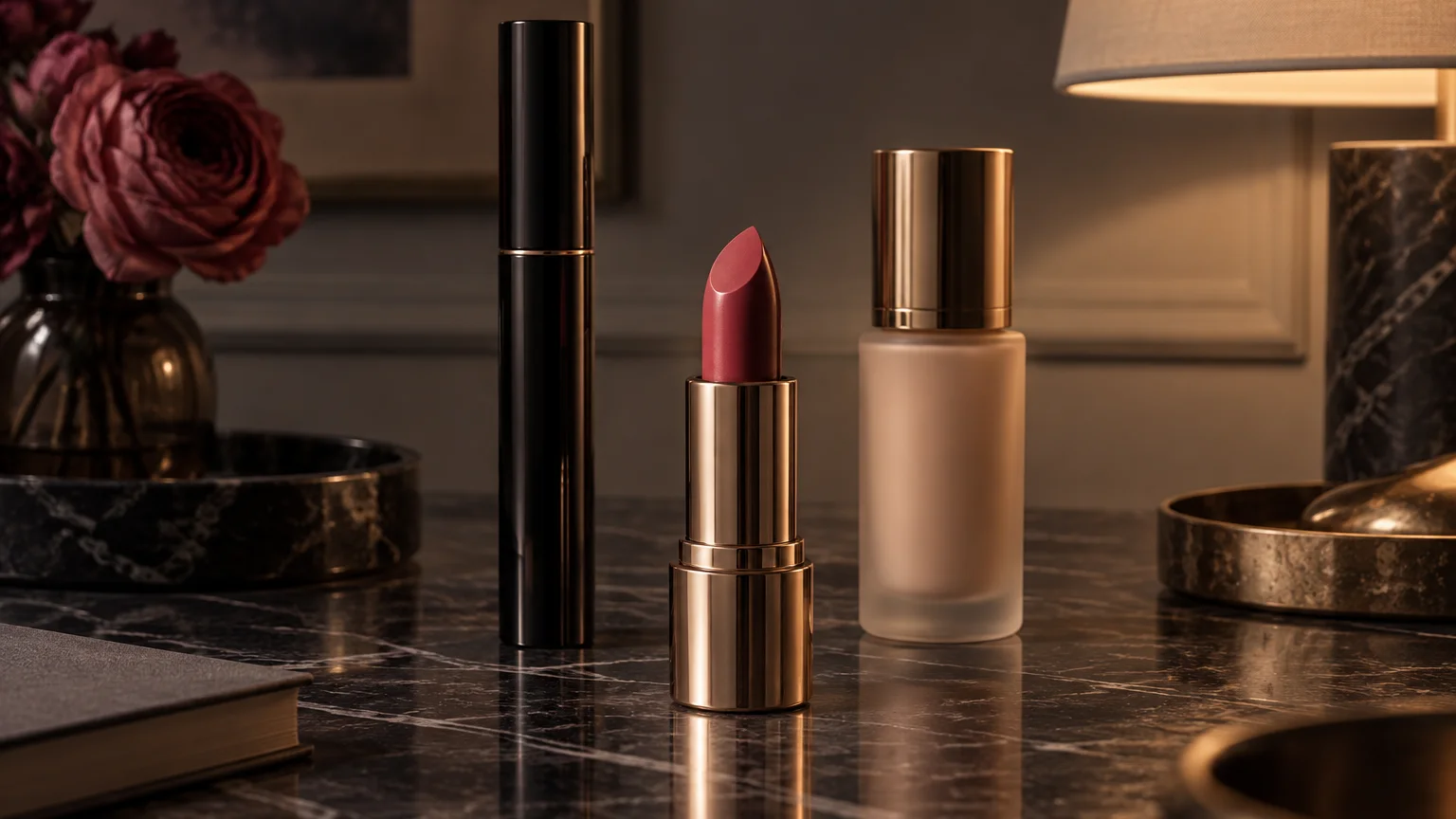
The evening face I keep sheer at the center

The evening face I keep sheer at the center

The evening face I keep sheer at the center

At this age I do not chase a smoother face. I want makeup that moves with expression and still looks generous in daylight. For this one, the useful phrase is evening makeup, but the real test is simpler: does the color still belong to the face once the window light gets involved?

What I Check First

I start by taking down one variable. A clean base needs dusting, not blanketing. Strong lip, quiet cheek — the two negotiate, they never shout together. Restraint is what separates a look from a costume.

The habit that stuck: place pigment where the face already has shape, then stop before the product becomes the point.

What Earned Its Place

Daylight first. Powder less. Let one feature lead.

  • evening makeup
  • How it held up outside
  • A finish that behaves like skin

Look

A lip line can be quiet and still do the work

A lip line can be quiet and still do the work

A lip line can be quiet and still do the work

At this age I do not chase a smoother face. I want makeup that moves with expression and still looks generous in daylight. For this one, the useful phrase is lip liner placement, but the real test is simpler: does the color still belong to the face once the window light gets involved?

What I Check First

I start by taking down one variable. When skin is good, powder gets one small job near the T-zone and nothing else. The cheek supports the lip the way a good bassline supports a vocal. When everything competes, the face starts looking edited in the wrong direction.

My practical rule: place pigment where the face already has shape, then stop before the product becomes the point.

The Keepers

Daylight first. Powder less. Let one feature lead.

  • lip liner placement
  • The after-hours verdict
  • Texture over coverage

Routine

Soft matte is a placement decision

Soft matte is a placement decision

Soft matte is a placement decision

At this age I do not chase a smoother face. I want makeup that moves with expression and still looks generous in daylight. For this one, the useful phrase is soft matte makeup, but the real test is simpler: does the color still belong to the face once the window light gets involved?

What I Check First

I start by taking down one variable. I powder the least movable real estate and let the rest breathe. If the lip line is doing the work, I soften the cheek. Restraint is what separates a look from a costume.

After a season of testing: place pigment where the face already has shape, then stop before the product becomes the point.

What I Would Buy Again

Daylight first. Powder less. Let one feature lead.

  • soft matte makeup
  • Wear through a full day
  • Nothing that looks applied

Look

Cream blush should look like temperature, not decoration

Cream blush should look like temperature, not decoration

Cream blush should look like temperature, not decoration

At this age I do not chase a smoother face. I want makeup that moves with expression and still looks generous in daylight. For this one, the useful phrase is daylight shade match, but the real test is simpler: does the color still belong to the face once the window light gets involved?

What I Check First

I start by taking down one variable. I powder the least movable real estate and let the rest breathe. If the lip line is doing the work, I soften the cheek. If every feature is the main character, none of them is.

The shortcut I trust: place pigment where the face already has shape, then stop before the product becomes the point.

What Stays On My Shelf

Daylight first. Powder less. Let one feature lead.

  • daylight shade match
  • How it wore by evening
  • A finish that still reads as skin

Story

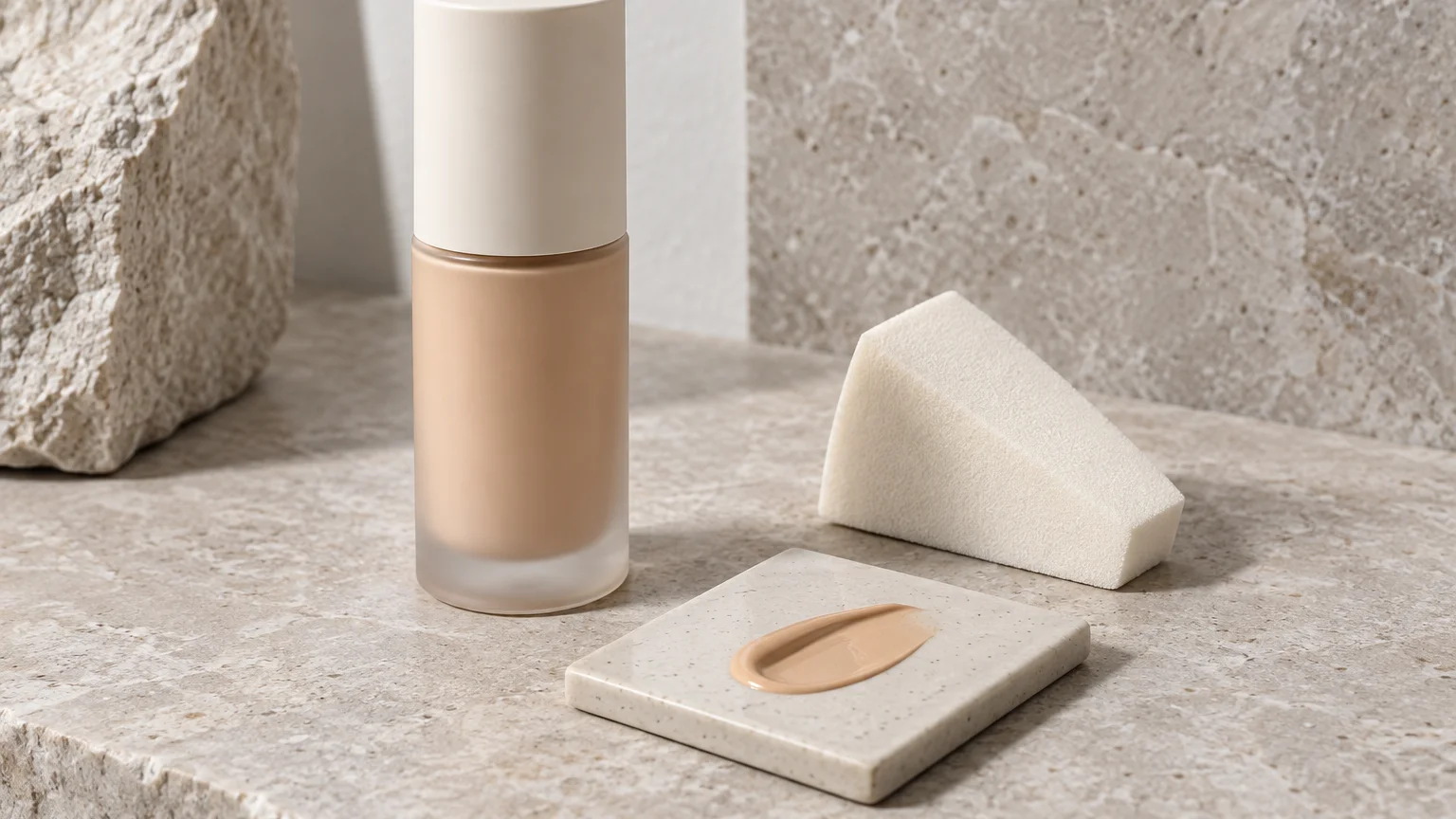
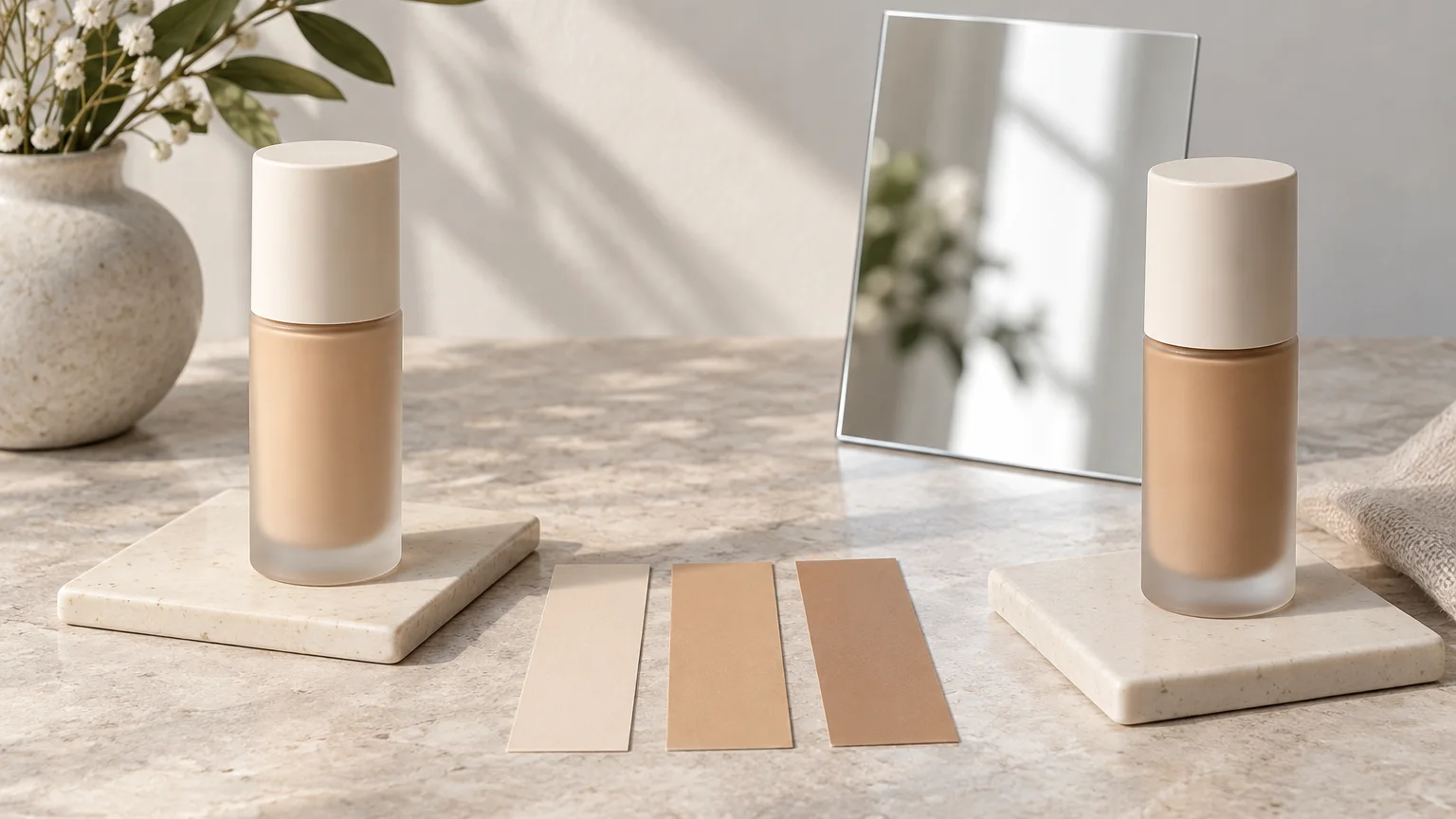
The daylight base check that changed how I buy complexion

The daylight base check that changed how I buy complexion

The daylight base check that changed how I buy complexion

At this age I do not chase a smoother face. I want makeup that moves with expression and still looks generous in daylight. For this one, the useful phrase is skin-first makeup, but the real test is simpler: does the color still belong to the face once the window light gets involved?

What I Check First

I start by taking down one variable. When skin is good, powder gets one small job near the T-zone and nothing else. One focal point per face; today the lip wins and the cheek applauds quietly. Too many focal points and the face reads like a draft nobody approved.

The habit that stuck: place pigment where the face already has shape, then stop before the product becomes the point.

What I Would Keep

Daylight first. Powder less. Let one feature lead.

  • skin-first makeup
  • Wear, honestly noted
  • A finish that still looks human