Published on September 3, 2026, by Coyglow Editorial Studio — 3 min of reading
Start with the amount, then the edge
A sheer base leaves more of your own skin visible, so a concentrated patch of blush can look more obvious than it did over fuller coverage. You do not have to abandon the color you like. Pick up less, place it deliberately, and soften the edge before deciding whether you need another layer. Cream can be convenient for pressing on color; powder can work just as well when applied lightly to a settled base. Neither texture is automatically the right answer. The useful question is how much color you want and how your chosen products blend together.
Choose a color you can build and still see
Look for a shade whose depth gives you room to build the effect you want. A deeper rose, berry, or warm brick can look sheer when applied sparingly; a very pale shade may look chalky instead of subtle on some complexions. Undertone is a starting point for comparison, not a rule that assigns people a color. Compare swatches in the same light and look at the blended edge as well as the dense center. Product images can help you make a shortlist, but screens cannot promise an exact match on your face.
Decide between cream and powder
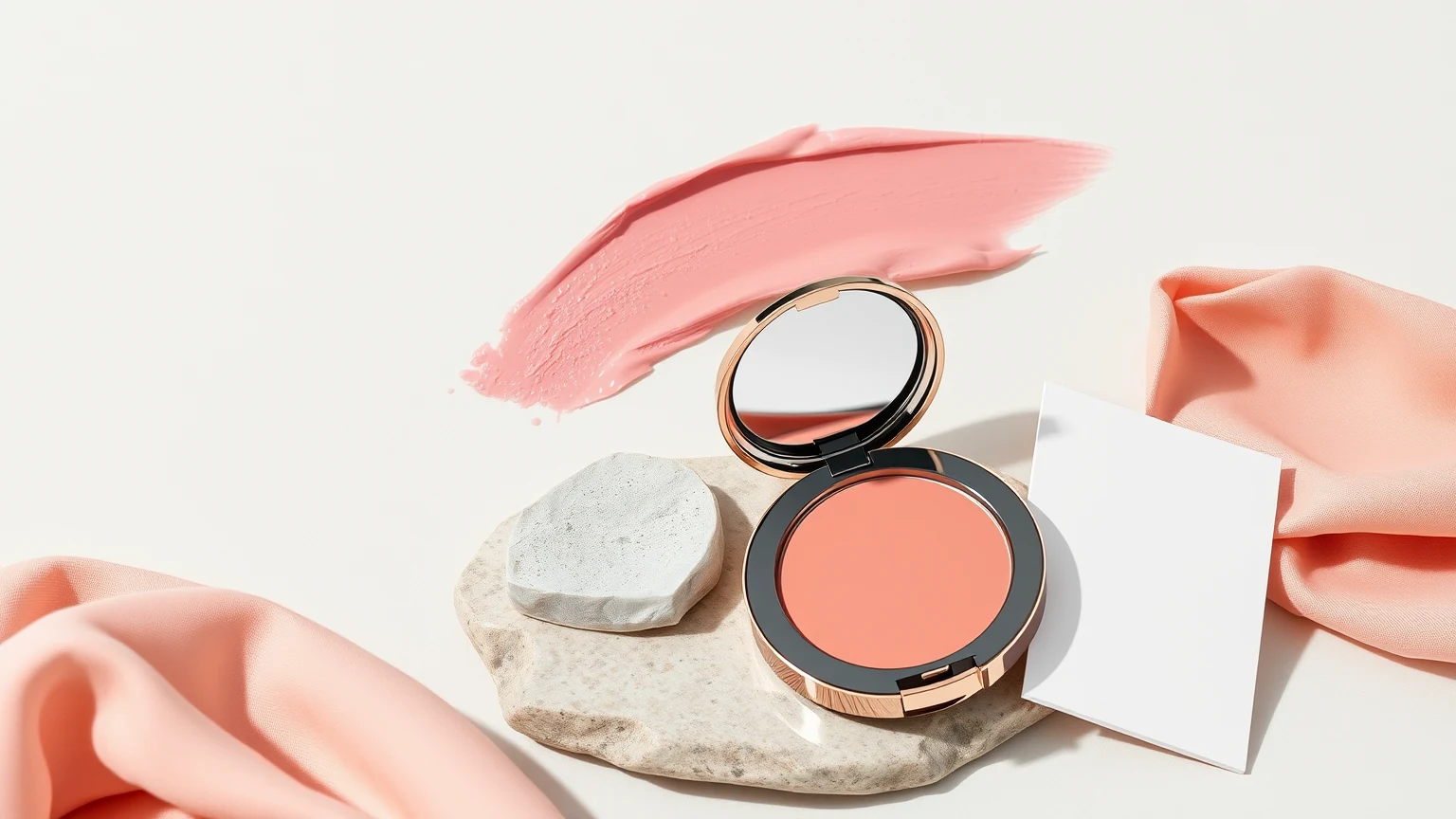
Choose cream if you enjoy a pressed-on application and a finish that sits close to the skin. Load a clean fingertip, sponge, or brush lightly, then press rather than repeatedly sweeping across the same patch. Choose powder if you prefer a brush and a more softly diffused finish. Let a wet base settle first so the initial contact does not grab more pigment than expected. If you already own a blush you enjoy, start there. Formula names alone do not establish compatibility, and matching every product to the same texture is not a requirement.
Build one cheek before balancing the other
Apply your usual sheer base and check it in a mirror at a comfortable distance. Pick up a small amount of blush, place it where you want the color to begin, and soften outward with the product left on the tool. Stop before the edge reaches farther than you intended. Step back, then repeat on the other cheek using the first as a visual guide. Add a second small layer only if you want more depth. There is no compulsory placement for a face shape: a compact flush and a wider sweep are different styling choices.
Correct a strong patch without rebuilding your face
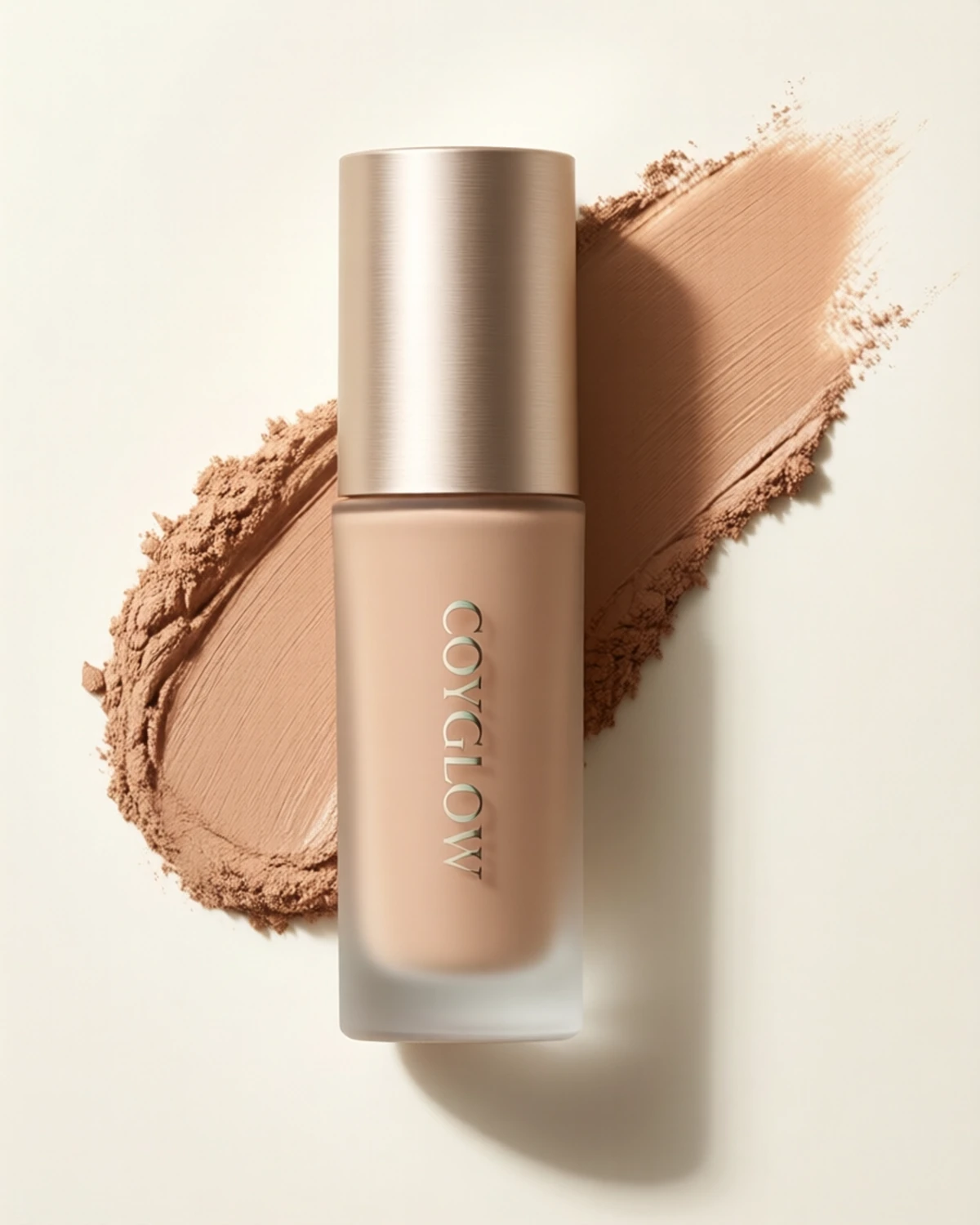
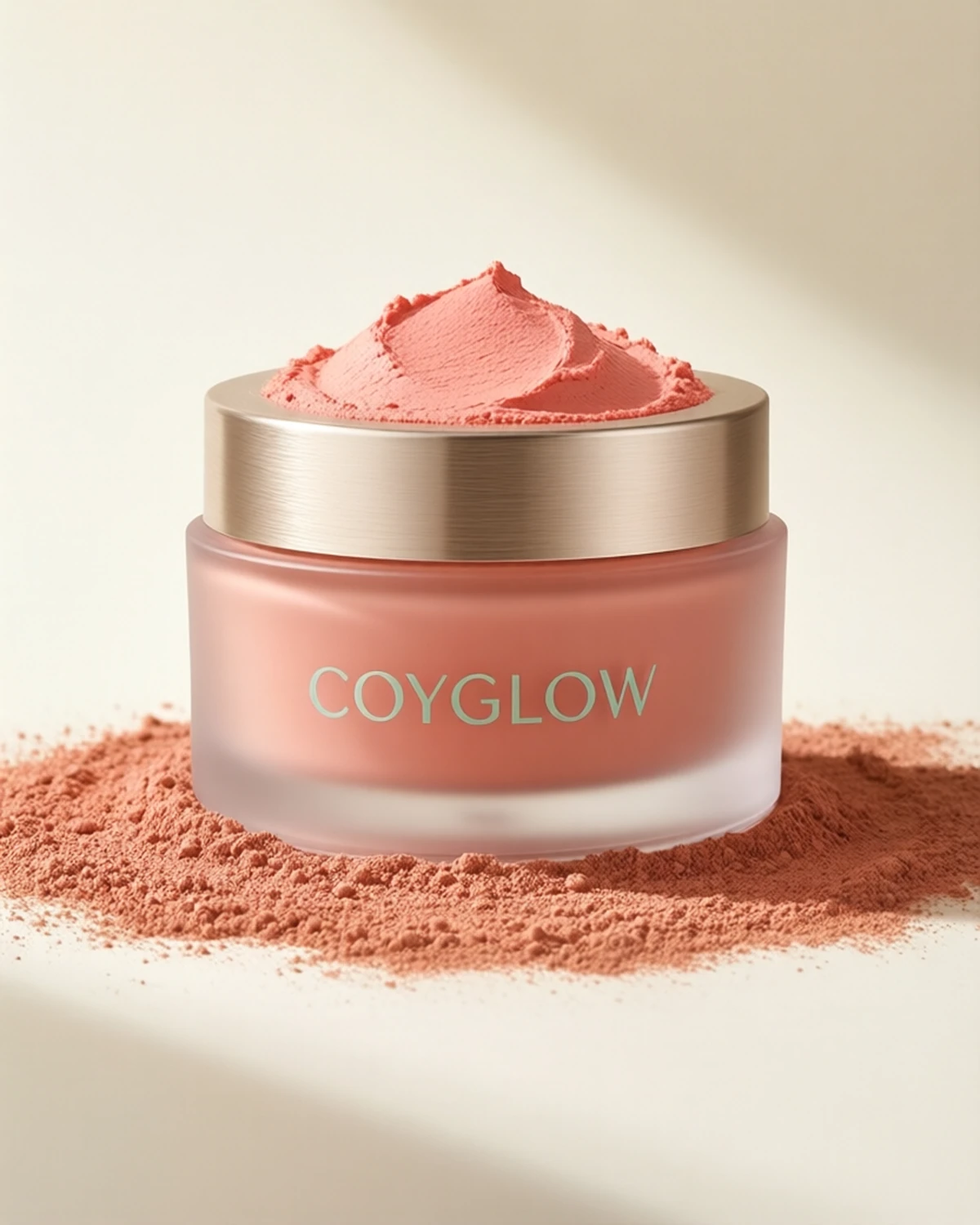
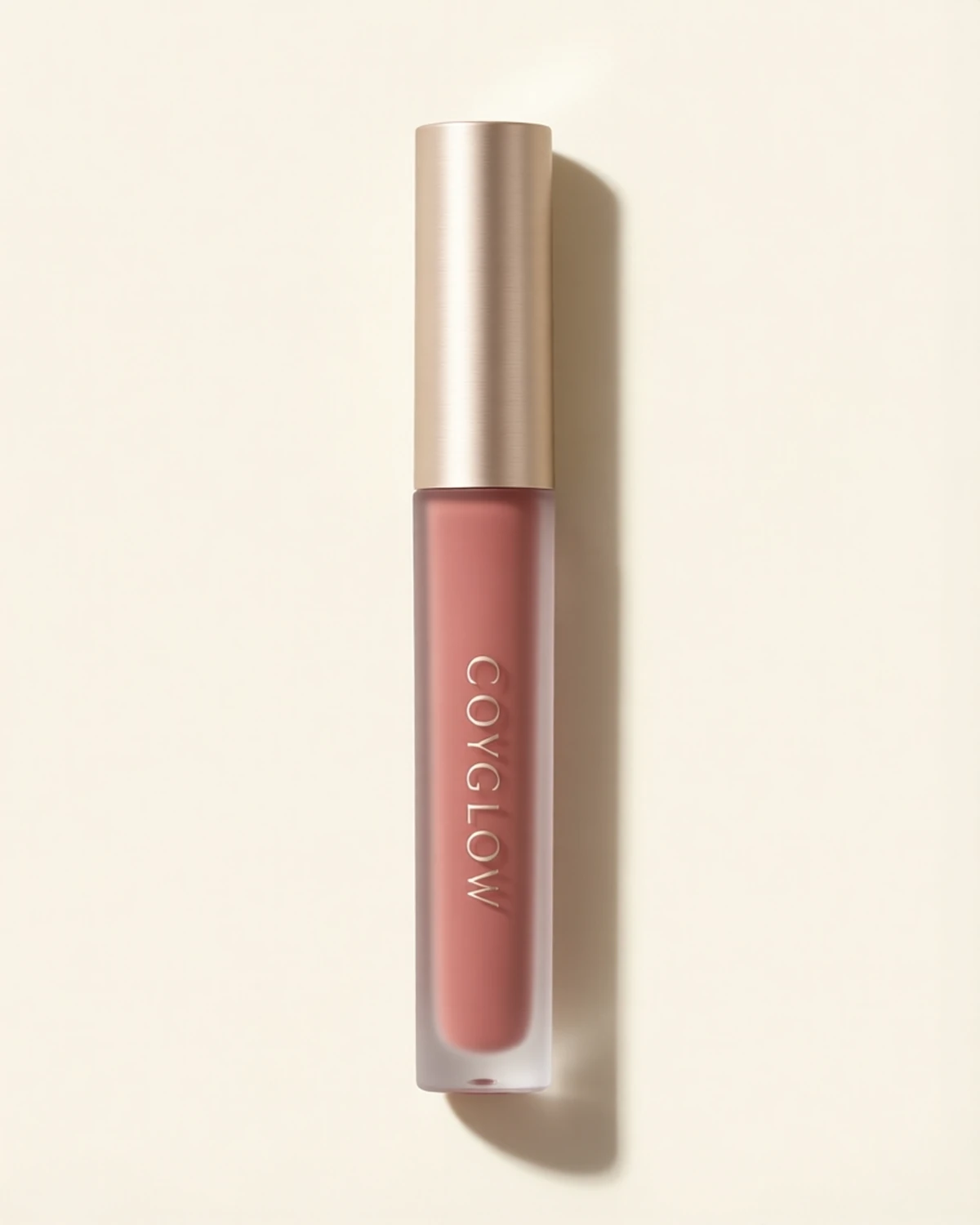
First soften the perimeter with a clean tool. For cream blush, gentle pressing may redistribute the edge without lifting as much base as vigorous rubbing. For powder, a clean soft brush can diffuse the boundary. If you still want less color, tap a small amount of your existing base over the area rather than adding a thick new layer everywhere. Avoid mixing lip and cheek products unless their directions allow that use. Coyglow Cream Cheek Flush and Soft-Matte Skin Tint are separate cheek and complexion options; Second-Skin Lip Tint stays in its own lip role.
Should I put blush under or over skin tint?
Start over your base so you can see the amount you are applying. Applying blush underneath is an optional styling technique, but the base may mute or move it and make the result harder to predict. Learn how the pair behaves in the simpler order before adding another variation.
Do blush and lipstick have to match?
No. You can echo a color family for a coordinated look or vary them deliberately. Compare the complete face, not two isolated swatches. A soft cheek and a more defined lip can feel balanced even when the shades are different. Choose the feature you want to emphasize, then adjust the other.
How can I compare the result fairly?
Use the same lighting and camera settings when recording a look, and turn off beautifying filters. Include both a close view of the edge and a normal mirror-distance view. Note the base and tool used. A useful review describes whether the color was easy to build and whether the base moved during application; it does not generalize one person's result to everyone.
Sources
- Coyglow Soft-Matte Skin Tint
- Coyglow Cream Cheek Flush
- Coyglow Second-Skin Lip Tint
- How to Tell If a Routine Is Too Heavy — Check the skincare layers beneath your base.
- How to Pack A Nail Kit For A Long Weekend — Carry the same selective approach into a weekend nail kit.
About Coyglow Editorial Studio
Coyglow Editorial Studio writes beauty guidance across skin, makeup, nails, routine design, product literacy, creator culture, and community commerce.