Published on September 1, 2026, by Coyglow Editorial Studio — 3 min of reading
An editorial reading guide
This page explains how to interpret review language. It is not a report of a collected customer sample, and it does not establish a consensus about any Coyglow product. Texture words are useful when they come with context. Lightweight might describe the amount someone used, the feeling immediately after application, or how little they noticed the product later. Those are different observations. Before treating an adjective as a reason to buy, ask what was applied, what sat beside it, and when the reviewer formed that impression.
Read lightweight as a question
When a reviewer calls a product lightweight, look for the comparison they are making. Was it lighter than their previous cream? Did they use a small amount? Were they describing a sheer-looking finish rather than the feel? An illustrative sentence would be: 'I used one thin layer before my usual tint and barely noticed it while applying makeup.' That sentence is a writing example, not a customer quote. It is useful because it gives the reader a routine and a moment to compare with their own preferences.
Separate slip, tack, and cushion
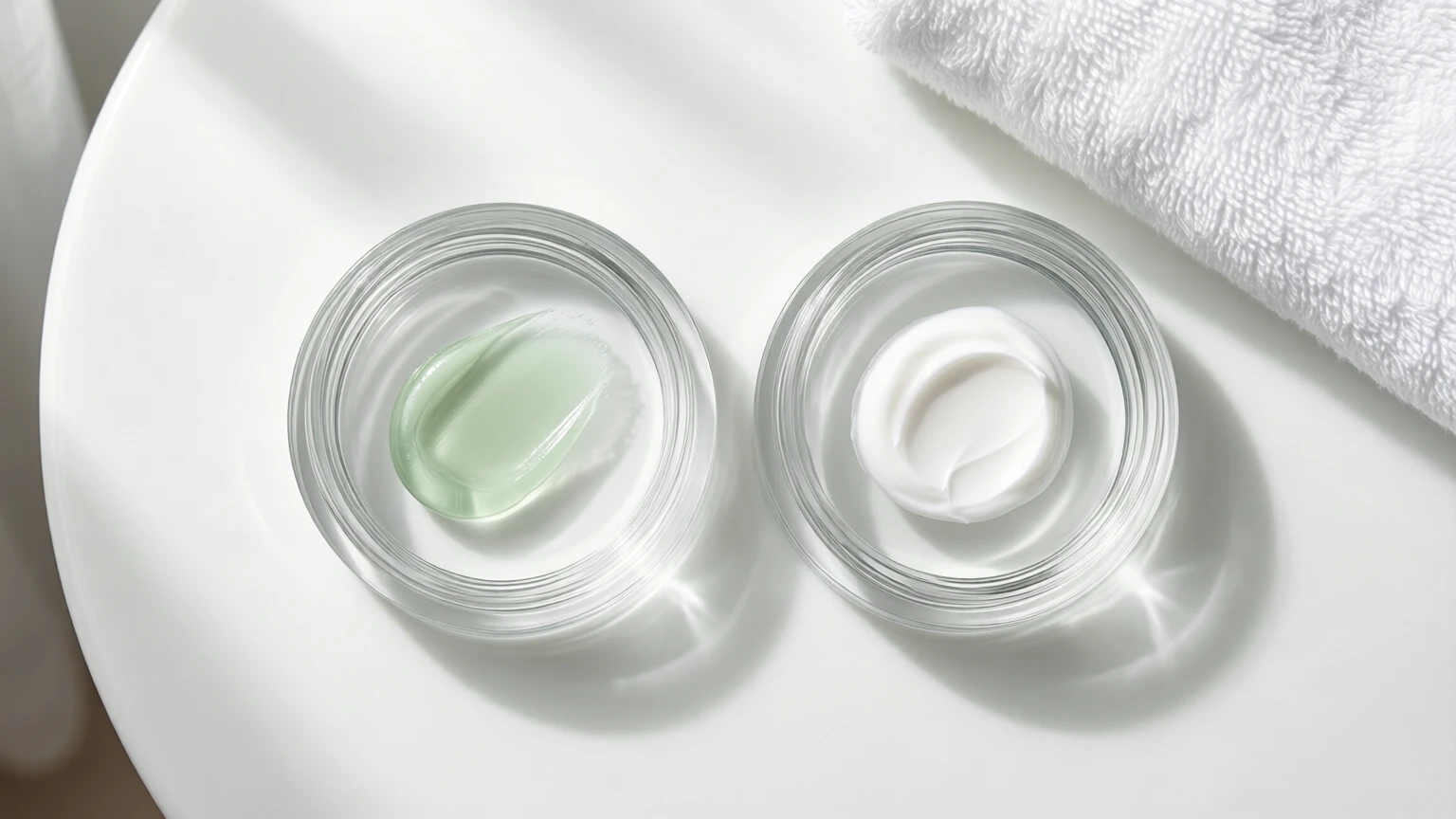
Slip usually describes how readily a product or tool moves across the surface during application. Tack describes a sticky or gripping sensation; one person may dislike it while another accepts it beneath a particular makeup step. Cushion describes a plush or padded impression, not a measured property in this guide. None of these words is automatically praise or criticism. Look for whether the sensation remained, changed after application, or affected the next product. A review that distinguishes those moments is easier to use than one that calls everything smooth.
Ask when the dry-down was observed
Dry-down is often used for the change between the freshly applied texture and the finish after it settles. The word needs a time reference to be informative. A lip tint and a moisturizer do not have the same intended finish, so avoid comparing them as if they should behave identically. Notice whether the reviewer reapplied, blotted, added powder, or layered another product before describing the finish. These details help explain the account. They do not make a personal experience a guarantee of how long the product will last on someone else.
Turn a vague adjective into a useful note
A practical note names the product, the approximate amount used according to its directions, the layers around it, and the moment observed. For example: 'After my usual cream, this base looked less shiny than I prefer once it had settled.' This is another invented writing example, not a review or a claim about a named formula. It communicates a preference without calling the product bad. Useful negatives belong in a review just as much as useful positives, and a gifted product should not require a favorable verdict.
Use product roles when browsing
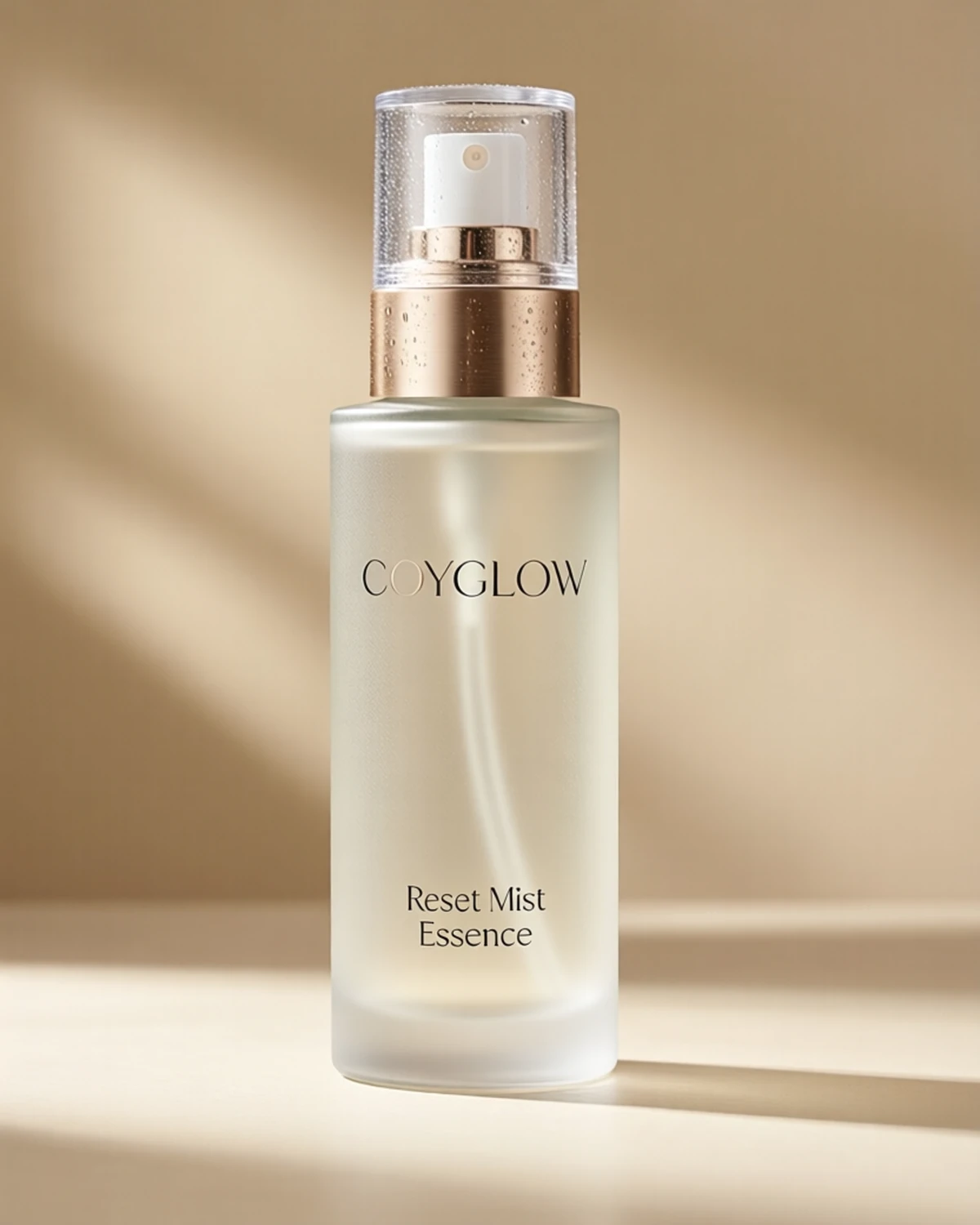
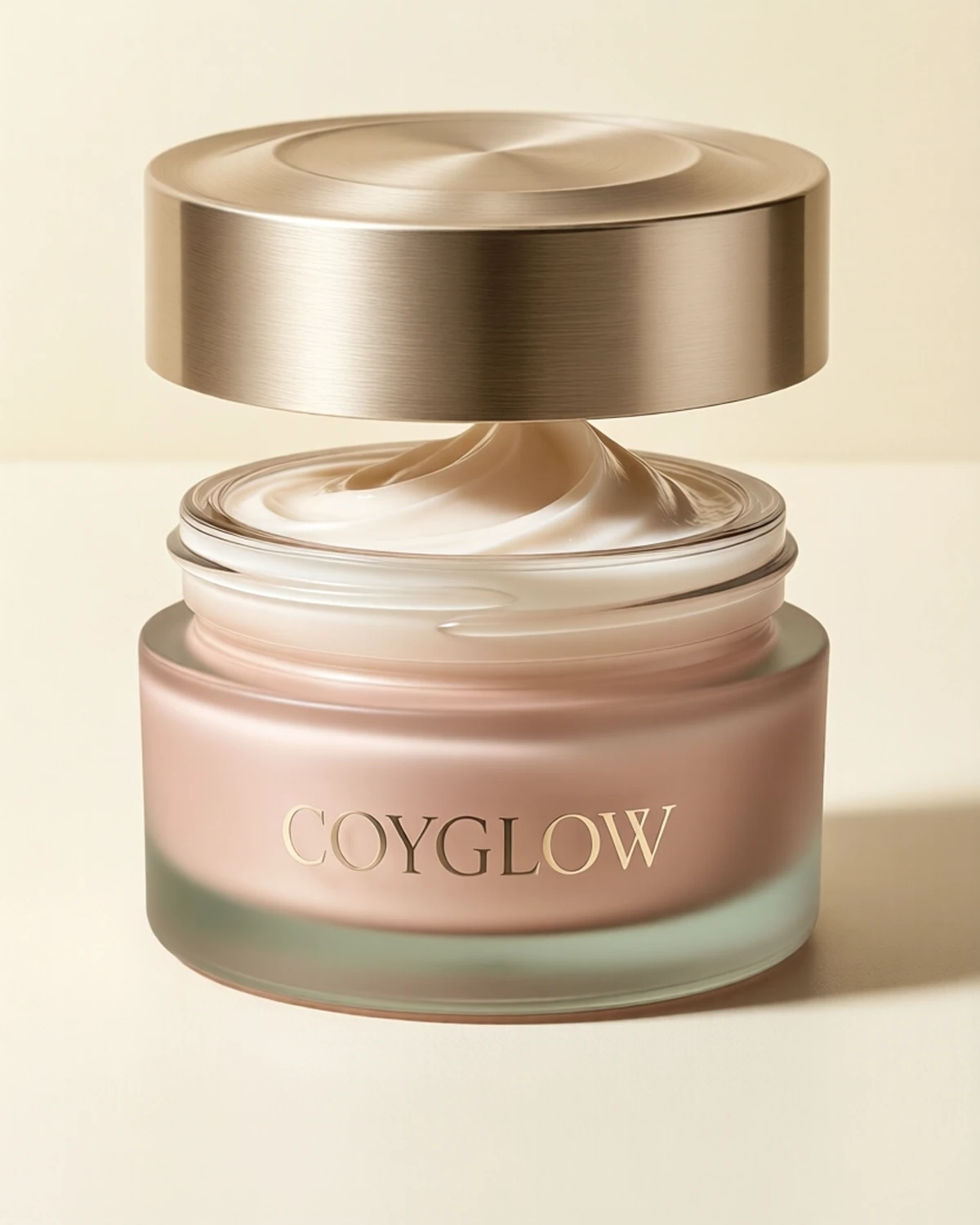
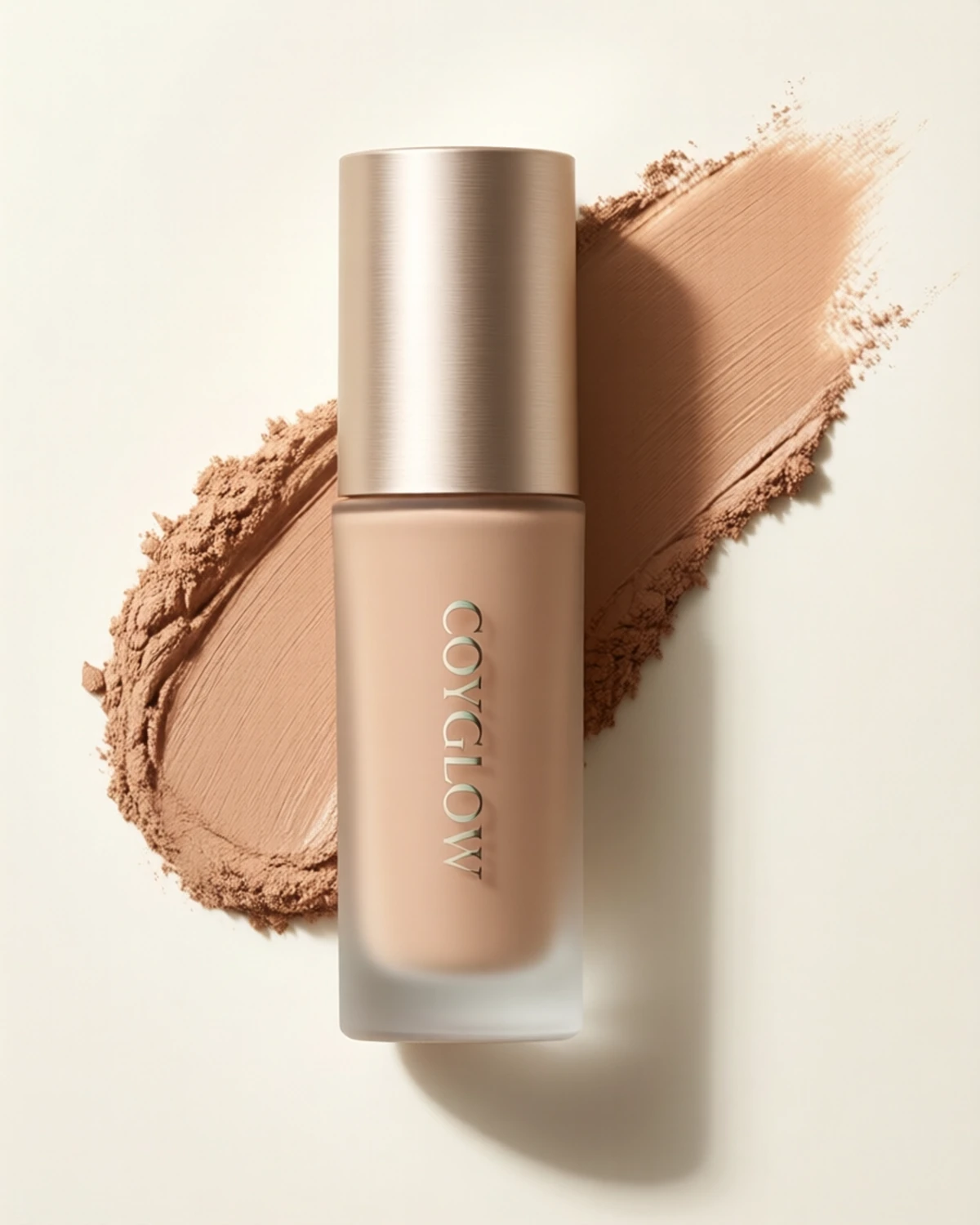
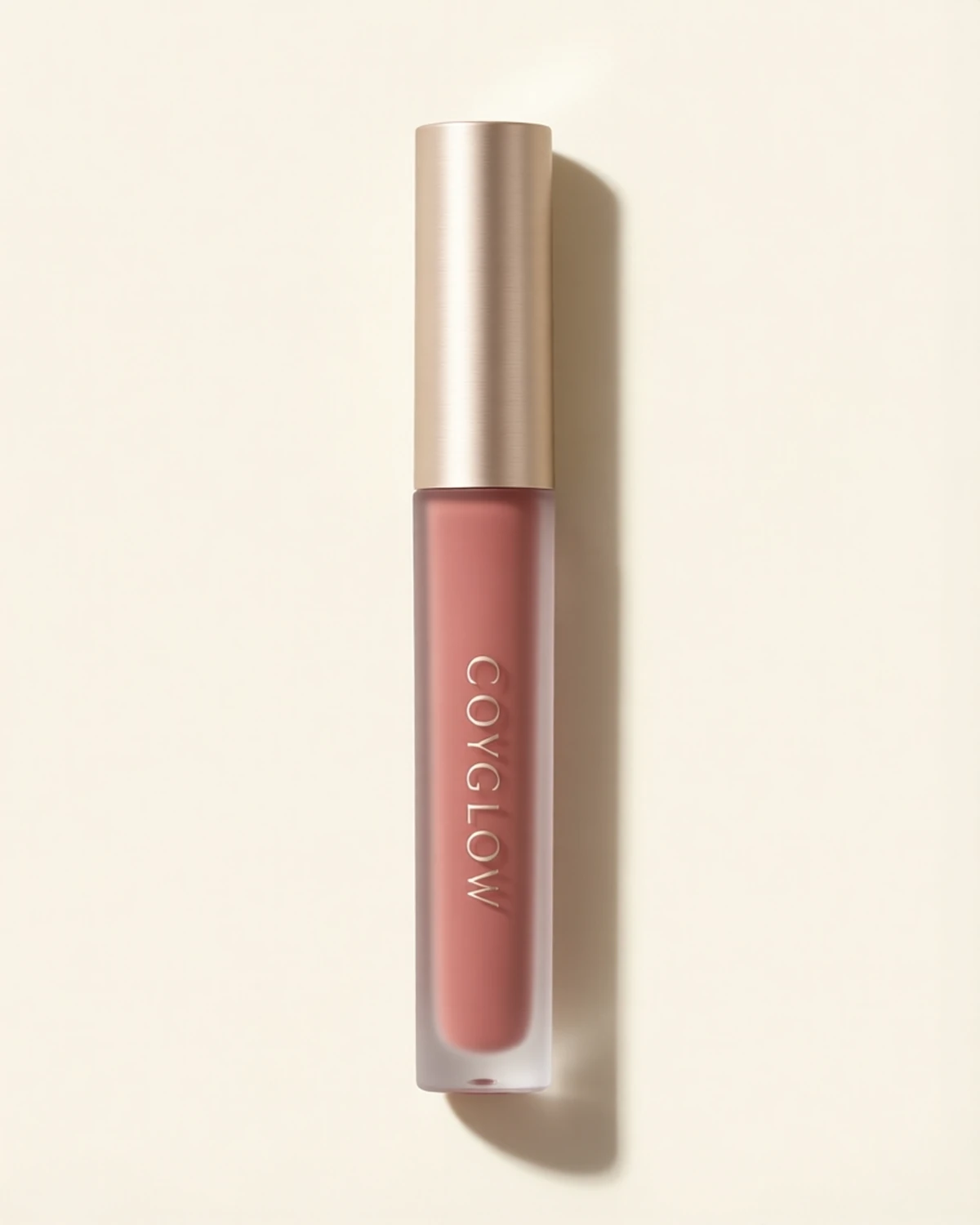
The linked Coyglow mist, moisturizer, skin tint, and lip tint have different jobs. Read the current product descriptions alongside reviews so you know what each is intended to do. If a word matters to you, use it to refine your question rather than treating it as a universal label: 'How does this tint feel over my kind of moisturizer?' is more precise than 'Is this lightweight?' A review can help you identify what to inspect, but it does not replace directions, ingredient information, or your own color and finish preferences.
Does one repeated word prove a pattern?
No. Several similar phrases may describe different experiences, and a selected set of comments may not represent all purchasers. A real pattern report should name its source, date range, sample size, selection method, and relevant limitations. Without that information, treat the observation as a starting point for reading rather than a settled conclusion.
What should I include in my own review?
Describe your actual application and the part that mattered to you. State any gift, payment, or affiliate relationship clearly. Include an inconvenient detail when it is relevant, such as a texture you liked alone but not under your usual base. Keep the review in your own words; a useful experience does not have to sound like product copy.
Sources
- Coyglow Layering Mist Essence
- Coyglow Balm-Cream Moisturizer
- Coyglow Soft-Matte Skin Tint
- Coyglow Second-Skin Lip Tint
- How to Tell If a Routine Is Too Heavy — Separate slip from shine in a layered routine.
- Cleanser Texture Lab: Gel, Cream, and The Second Cleanse Question — Understand the limits of a personal cleanser comparison.
About Coyglow Editorial Studio
Coyglow Editorial Studio writes beauty guidance across skin, makeup, nails, routine design, product literacy, creator culture, and community commerce.